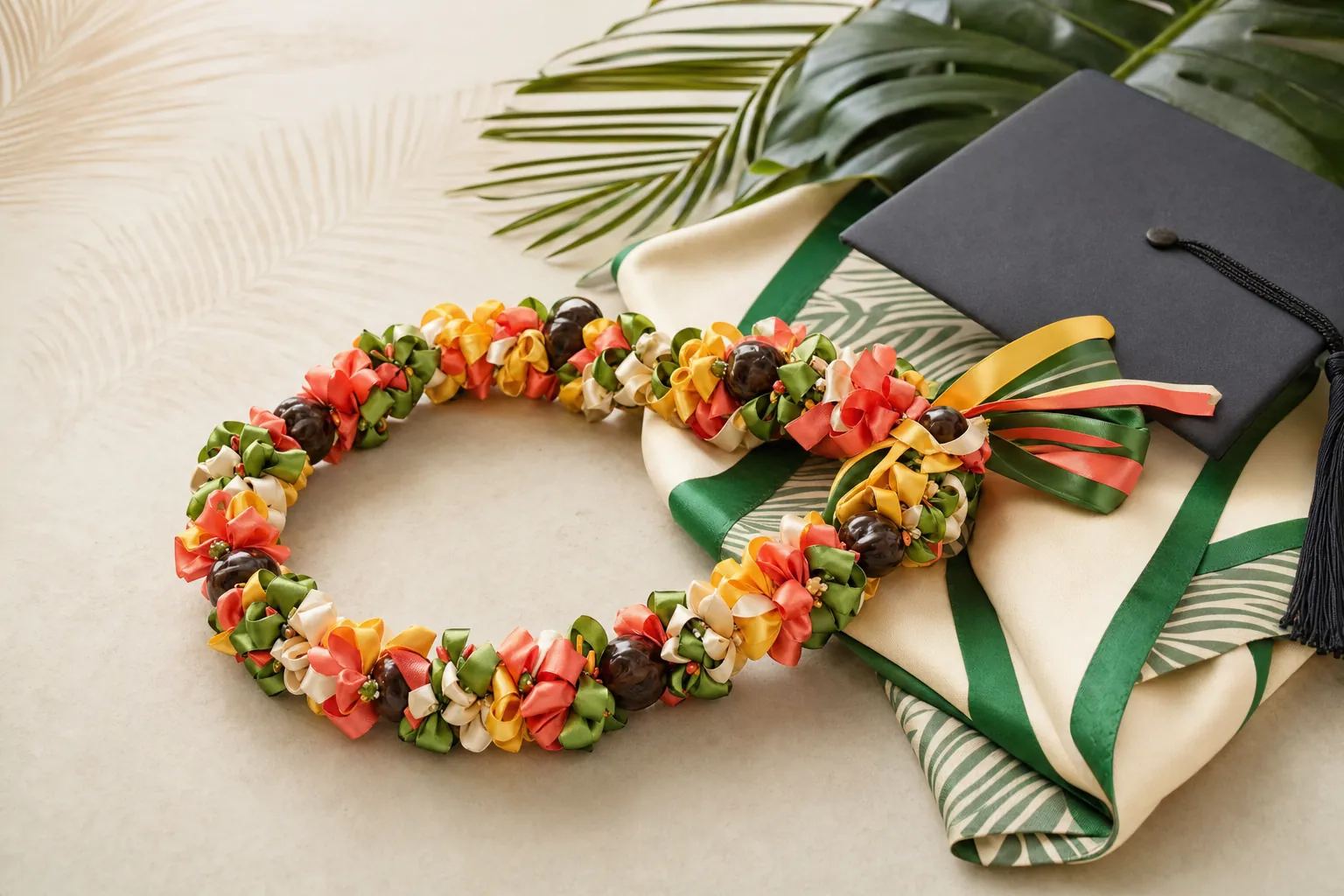
The best graduation photos do more than prove someone wore a cap and gown. They show the people, color, relief, and pride around a milestone that went by far too quickly. A little plan keeps everyone from standing in the parking lot afterward, tired and wondering what pictures they meant to take.
Start with a short shot list
A good graduation photo plan needs only a few must-have images. Write them in your phone before the day, then give a copy to the person most likely to have a camera in hand. This takes the pressure off the graduate and means nobody has to remember every combination while relatives are arriving and the ceremony crowd is moving around.
Keep the list flexible. The goal is not to stage every minute, it is to leave with the pictures that will matter in five or ten years: one strong portrait, the people who helped, a little personality, and the moment the celebration begins. If the day runs late, you can skip a clever pose without losing the story.
12 graduation photo ideas worth planning
1. The clean cap-and-gown portrait
Take this one before the ceremony if possible. Find open shade or soft window light, straighten the stole and tassel, and keep the background simple. Have the graduate angle their body slightly, then turn their face toward the camera. Take one smiling version and one relaxed, looking-away version. This is the photo grandparents tend to print and the graduate may want for an announcement.
2. The diploma detail
Photograph the diploma or diploma cover in the graduate's hands, then get a closer frame with the cap, tassel, class ring, cords, or a meaningful note in view. Small details give the photo set texture. They also make a lovely image for a card, album, or a social post when the graduate does not want to share a full portrait.
3. The school-place photo
Choose one location that says where this chapter happened: a school sign, campus path, stadium, favorite building, or even the front steps. Do not fight a crowded backdrop. Take a few steps away from the busiest spot, let the setting be recognizable rather than perfect, and make the graduate the focus.
4. The walking photo
Ask the graduate to walk slowly toward the camera, then away from it. Tell them to look at the person beside them, adjust the tassel, or glance over a shoulder. Movement gives hands and faces something natural to do, which is much easier than asking someone to freeze in a pose.
5. The lei presentation
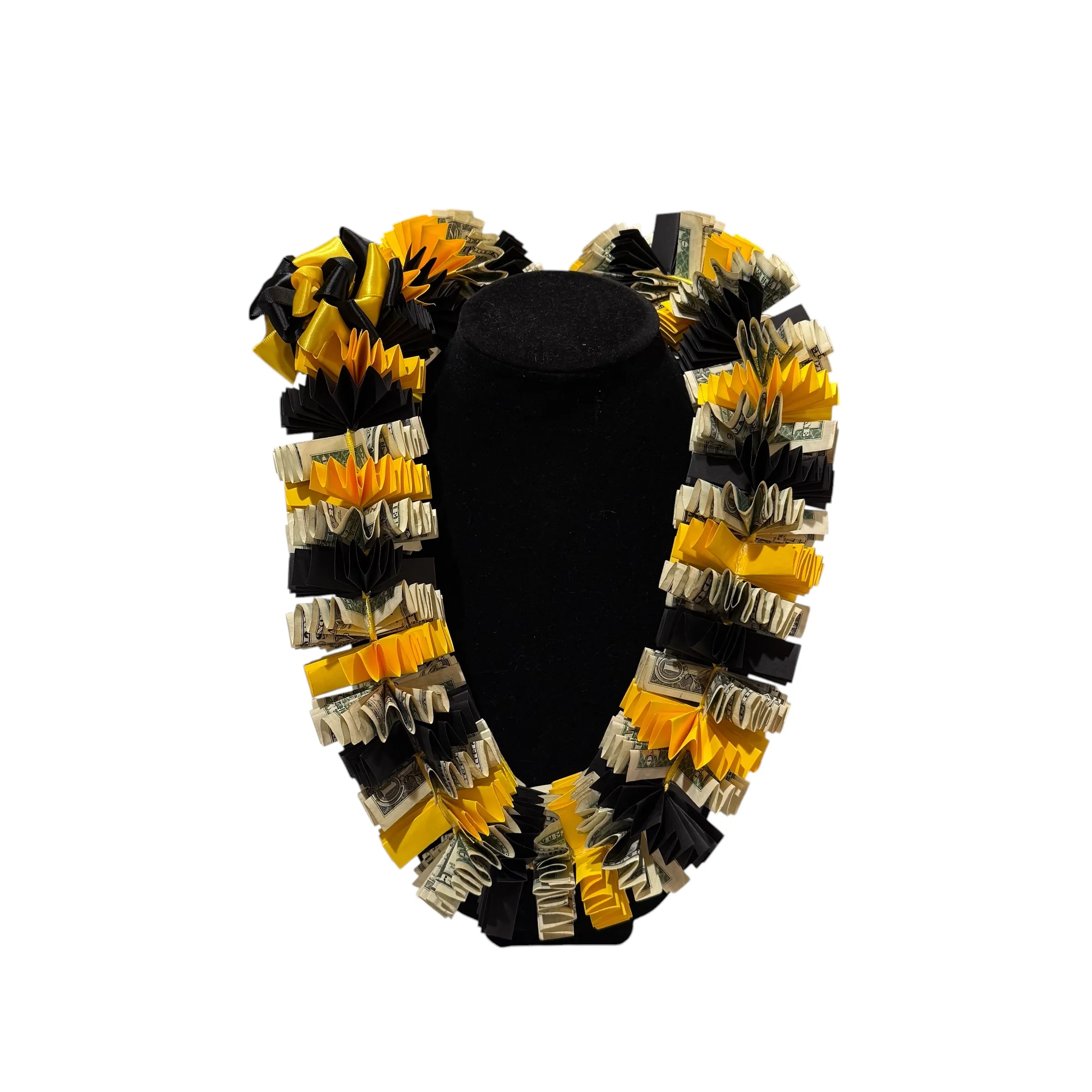
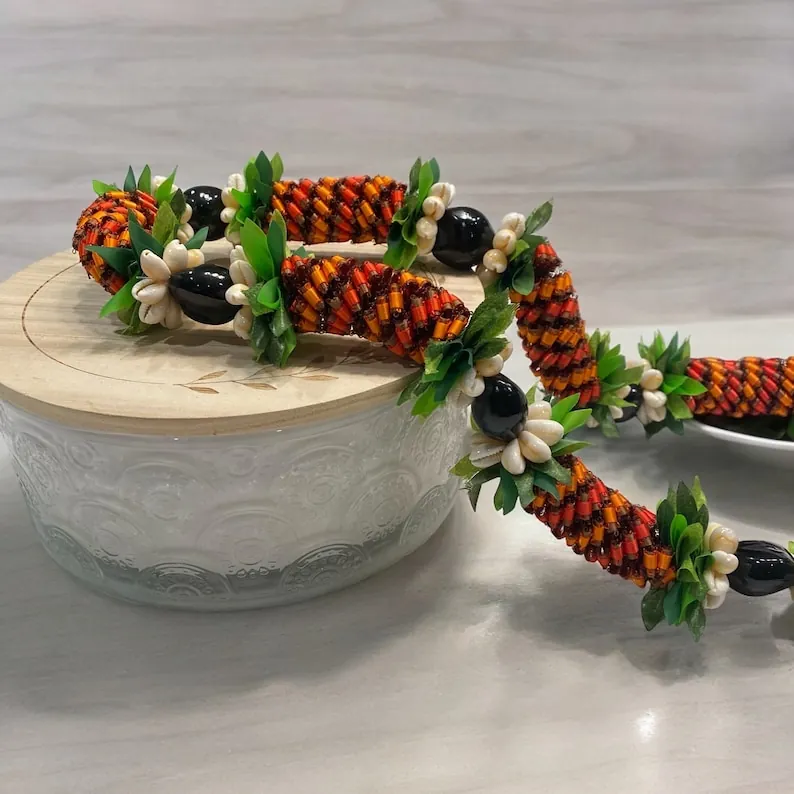
A lei photo captures the feeling of the celebration, not just the outfit. Photograph the moment a parent, grandparent, sibling, or friend places the lei around the graduate's shoulders. Then take a portrait once it is on. A colorful graduation ribbon lei or a handmade paper lei gives the photo a personal detail that lasts after the flowers fade.
6. The family combinations
Take a full family group first while everyone is gathered, then make smaller groups: parents or caregivers, siblings, grandparents, and anyone who traveled a long way. Say names out loud as you work through the list. It sounds obvious, but this avoids the classic problem of realizing later that you have one beautiful photo missing a key person.
7. The friend photo
Get one tidy group photo, then let the friends do something that actually sounds like them. They can lean in, show school colors, hold diplomas up, or simply walk together. Take more frames than you think you need. The best friend photo is often the one between the official pose and the moment everyone starts laughing.
8. The proud reaction
Ask one person to watch the graduate rather than the camera. A parent looking at their child, a grandparent holding a hand, or a friend squeezing a shoulder tells a fuller story than another front-facing lineup. These are the frames that feel more real each time you see them.
9. The cap toss, if it is allowed
Check the venue's rules and choose a clear area well away from people. Count down together, use burst mode, and do a few rounds. The goal is not a perfect flying cap, it is the reaction underneath it. If tossing a cap is not practical, a joyful arms-up photo or a playful diploma lift gives the same energy with less risk.
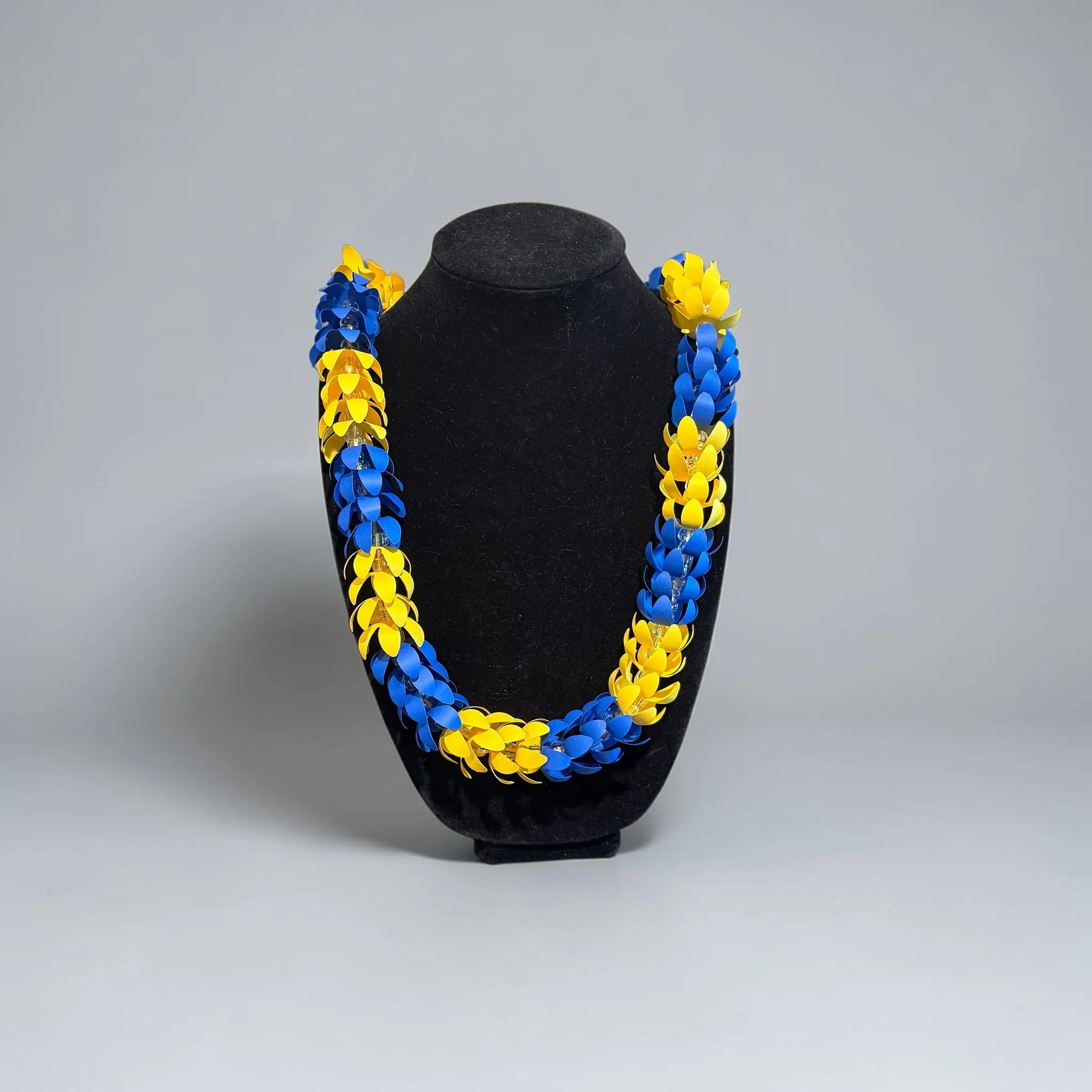
10. The school-color portrait
Bring a detail in the school colors, especially for an outdoor photo. A paper lei, ribbon lei, flowers, or even a small bag can make the portrait feel coordinated without becoming a costume. Keep the extra color to one or two elements so the graduate remains the center of the image.
11. The behind-the-scenes moment
Take a picture while someone adjusts the cap, pins a corsage, ties a ribbon, reads a card, or gives last-minute encouragement. These quiet frames often become favorites because they show the care that happened around the ceremony, not just the finished look.
12. The after-party photo
Do not put the camera away once everyone leaves the venue. Take one image at the meal, open house, or backyard celebration, ideally when the graduate has relaxed. A small party favor, a handwritten card, or a table of family food can anchor the photo in the day's own personality.
Make portraits feel natural
Most people are not uncomfortable in photographs because they do not know how to stand. They are uncomfortable because they are waiting for instructions. Give one simple prompt at a time: turn toward the light, hold the diploma lower, look at your mom, walk three steps, take a breath, laugh at the person making the joke. The photographer or designated family member should keep the energy light and keep shooting through the transition.
For phone photos, tap the graduate's face to focus, wipe the camera lens, and avoid standing directly under harsh noon sun when you have another option. Open shade beside a building, under a tree, or near a bright doorway is often kinder than squinting into the light. Take both vertical and horizontal versions. Vertical photos work well for announcements and profiles, while horizontal photos leave room for the people and place around the graduate.
Plan the timing without overplanning the day
Choose one calm portrait window before the ceremony, ideally 15 to 20 minutes. Keep it to the graduate and immediate family, since larger groups are easier after the program. Afterward, expect crowds and limited patience. Work through your family list first, then friends, then the candid and playful ideas. If the venue clears quickly, move to a nearby lawn, path, or restaurant rather than trying to make a crowded exit feel serene.
Bring water, a lint roller, safety pins, tissues, and a small bag for anything the graduate does not want in every photo. If they will wear a lei, keep it roomy and protected until the post-ceremony pictures. School policies differ, so treat the formal ceremony and the celebration afterward as separate moments. That simple distinction lets the graduate follow the rules and still enjoy the full color of the day in photos.
Use the light and location you already have
You do not need a styled photo set to make graduation pictures feel considered. Look for clean, even light and a place with enough breathing room around the graduate. Open shade is especially helpful: the side of a building, the edge of a covered walkway, or a spot under a tree can soften the light without making the background too dark. Ask the graduate to face the brighter open area, not the deepest part of the shade, so their eyes stay clear in the picture.
When the ceremony is outdoors in bright sun, do not force everyone to stare into it. Turn the group so the sun sits behind or just to the side, then let the camera brighten their faces. A phone camera often handles this well if you tap the graduate's face before taking the photo. If the light is very strong, move a few feet rather than spending ten minutes trying to fix it with poses. A simple wall, patch of greenery, or wide path beats a busy parking lot every time.
Take one wide photo that shows the place, one medium photo from the waist up, and one close detail shot. That three-picture rhythm creates variety even when you only have a few minutes. A wide family shot might show the school building. The medium image can keep the graduate, cap, and lei prominent. A close photo can show hands holding the diploma, the texture of the gown, or the message inside a card. Together, they make an album feel complete.
Give the photographer a simple job
If a friend or relative is taking most of the photos, decide before the ceremony who that person is. They do not need to be a professional. They simply need permission to gently gather people, work through the list, and take several frames before anyone walks away. Share the list with them and point out the people who matter most. This is kinder than asking the graduate to organize photos while trying to greet everyone who came.
For a larger celebration, ask two people to help: one takes the pictures, and one gathers the next family grouping. The camera person can focus on faces and framing while the helper finds grandparents, siblings, or friends. Keep the instructions short: “full family first,” “now grandparents,” “now cousins.” Clear direction makes the process feel quick, which means people stay cheerful enough for the candid picture after the formal one.
Remember the people who made the day possible
Graduation photos are not only about the graduate standing alone. Make room for the person who drove them to early practices, stayed up helping with a project, traveled across town, or saved a seat at the ceremony. A close photo with a teacher, coach, mentor, neighbor, or family friend may feel small in the moment, but it becomes more meaningful with time. Let each person have a few seconds with the graduate instead of trying to fit everyone into one enormous group.
After the last photo, take a breath and enjoy the celebration. A photograph is there to help you remember the feeling, not to replace it. When the graduate is present with the people around them, the best images have a way of showing up naturally.
Choose details that tell their story
The most memorable photos include a few details that belong only to this graduate: a favorite color, a sport, an instrument, a club stole, a book, a family tradition, or a gift that marks the next chapter. You do not need all of them in one picture. Spread them across the day so each image has one clear idea.
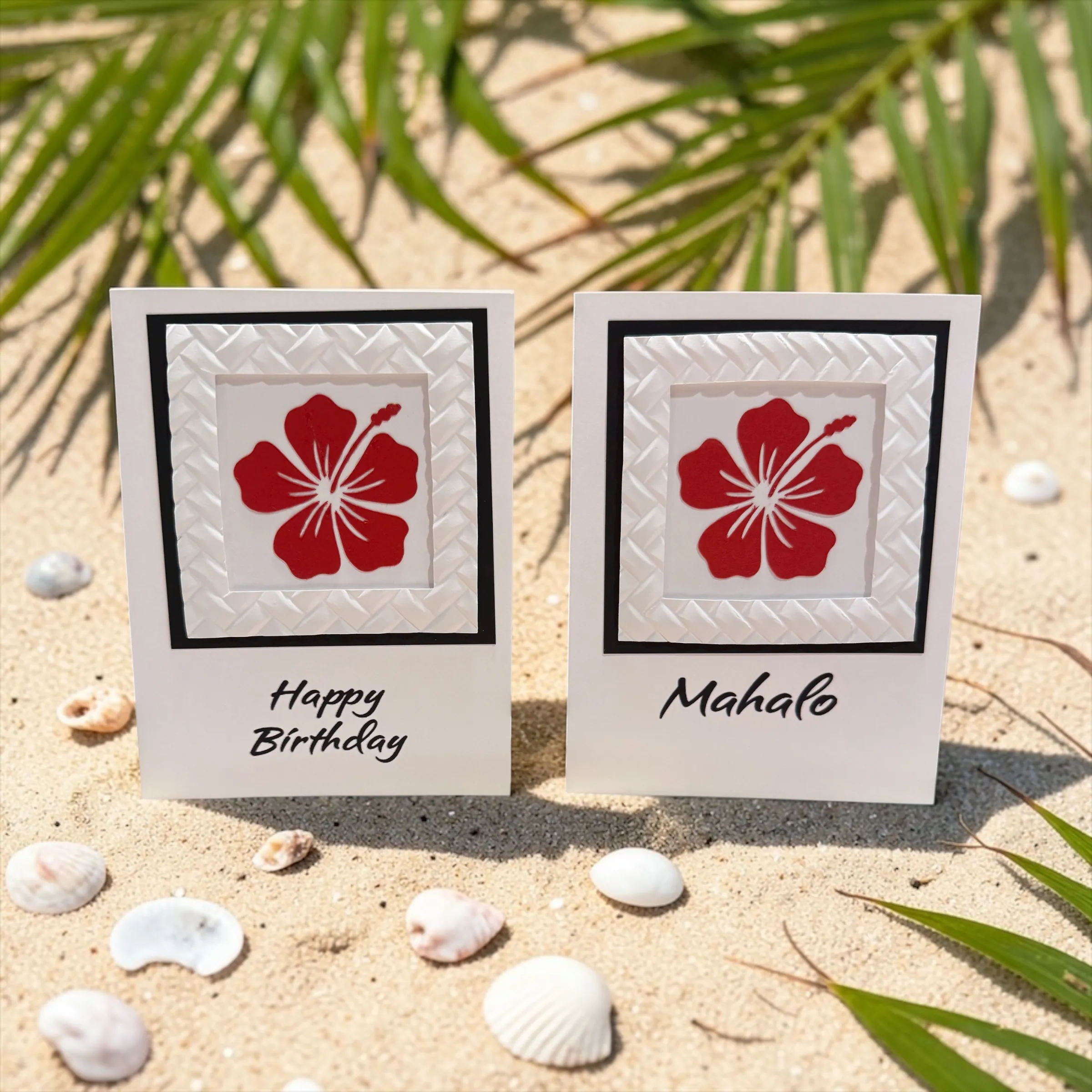
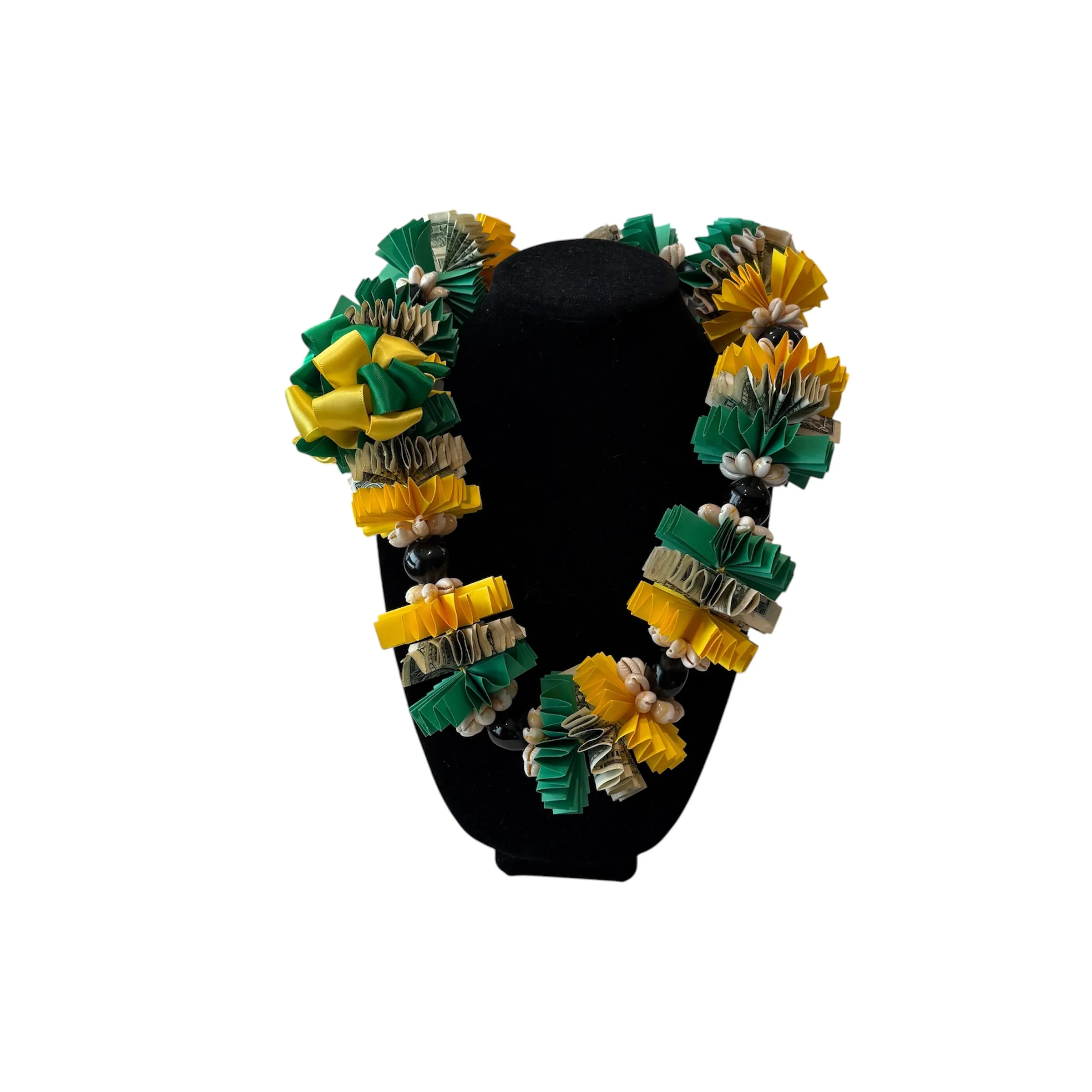
AlohaKitashima makes handmade details for the part of graduation that happens after the formal program. A graduation money lei can turn a practical cash gift into a photo-worthy presentation, while a colorful card from the gift bags and cards collection can hold a message the graduate will read again long after the day. The best detail is the one that feels like it was chosen for them.
A quick graduation photo checklist
- Save a short list of family and friend groupings before the day.
- Take one calm cap-and-gown portrait before the ceremony.
- Photograph the diploma, cap, tassel, and one meaningful detail.
- Get the full family photo before people begin leaving.
- Take several frames for moving, laughing, or cap-toss shots.
- Check school and venue rules before using props or tossing a cap.
- Back up favorite photos that evening while the faces and moments are still easy to remember.
Frequently asked questions
What graduation photos should every family take?
Plan one clear cap-and-gown portrait, a photo with the diploma, a photo with each close family group, a friend photo, and one candid hug or laugh. Those five types give you a complete record without turning the day into a long photo session.
When is the best time to take graduation pictures?
Take a few calm portraits before the ceremony, then save the family, friend, and celebration photos for afterward. Before the ceremony, the graduate is usually fresher and the cap and gown are tidier. Afterward, you can relax, add a lei, and capture the real excitement.
How do you make graduation photos feel less posed?
Give people a simple action instead of asking them to hold a perfect smile. Walk together, look at the graduate, adjust a lei, read a card, share a hug, or make each other laugh. Take several frames while the action is happening, then keep the natural ones.
Can a graduate wear a lei in photos?
Yes. A lei can add color and personal meaning to post-ceremony photos. Check school rules before bringing one into the formal ceremony, then add it after the program so the graduate can wear it comfortably for family pictures and celebration shots.