
A graduation party does not need to be perfectly styled or scheduled to feel special. It needs a little breathing room, a plan for the practical details, and enough space for the graduate to feel celebrated instead of managed. This six-week checklist helps a family decide what matters first, then handle the rest without a last-minute scramble.
Use the timeline as a menu, not a rulebook. A backyard open house, a restaurant dinner, and a large family gathering have different needs. Choose the steps that fit your party, skip what does not, and make one person the point person for the day so the graduate gets to enjoy it.
Six weeks before: decide the shape of the celebration
Start with four decisions: the party date, the budget, the guest list, and the format. A two- to four-hour open house lets guests come and go, while a seated meal works better for a smaller group. Pick the format before choosing food or decorations because it affects the headcount, seating, timing, and amount of hosting help you need.
Choose a date that respects the ceremony schedule. Some families celebrate on graduation day, while others pick the following weekend so everyone can arrive rested. Confirm the venue or prepare the home early, especially if you may need tables, chairs, shade, or parking guidance. The practical timelines used by Evite’s graduation party checklist also start with the budget, guest list, date, and venue because each later choice depends on them.
- Set a spending limit: leave room for food, drinks, and useful supplies before optional extras.
- Choose the format: open house, meal, backyard gathering, restaurant, or a simple family celebration.
- Build the guest list with the graduate: it is their milestone, and their comfort matters.
- Decide what one personal moment looks like: photos, a toast, a memory table, or a gift presentation can be enough.
Four weeks before: invite people and book what cannot wait
Send invitations once the essential details are settled. Include the graduate’s name, date, arrival window, address, RSVP method, and a short note about parking or the open-house format. Four to six weeks gives guests a fair chance to protect the date in a crowded season. If family members are traveling, add a nearby hotel suggestion or a contact person for questions.
Now reserve anything that can disappear quickly: a venue, tent, tables, chairs, caterer, cake, photographer, or flowers. You do not need all of these. A casual home party might only need extra chairs and a cake order. The goal is to book the few pieces that would be difficult to replace a week before the party.
Choose food around the format. A daytime open house may work best with snacks, sandwiches, fruit, and dessert that guests can enjoy standing up. A dinner needs a clearer serving plan. Ask early about food allergies or dietary needs when the guest list makes that helpful. Keep the menu simple enough that someone is not trapped in the kitchen during the celebration.

Three weeks before: make the party feel like the graduate
Once the basics are in motion, add the personal layer. Pick a small color story, gather photos, and choose one area to make special. A photo wall, memory table, or welcome sign is usually enough. A clean photo area matters more than decorating every surface because it gives friends and family a natural place to gather after the ceremony.
Collect a short set of photos instead of every image from childhood. A few early memories, school moments, favorite activities, and a recent graduation portrait tell a fuller story. If you plan a slideshow, test it on the actual screen and speaker before party day. For a photo plan that includes the people as well as the details, use these graduation photo ideas.
Personal touches do not need to be expensive. A favorite color, a handwritten display of memories, or a keepsake waiting for the graduate can make the room feel more sincere than generic party supplies. For color and display ideas, see the companion guide to graduation party decorations.
Two weeks before: confirm people, portions, and supplies
Follow up on unanswered invitations, then confirm the working guest count with anyone providing food, rentals, or a venue. You do not need a perfect number, but you need a useful range. That number tells you how many seats, cups, plates, bottles of water, and servings you need.
Make two lists. One is for food and drinks. The other is for the items nobody notices until they are missing: serving spoons, ice, trash bags, paper towels, tape, scissors, extension cords, labels, coolers, and a few pens. Herff Jones’s celebration checklist similarly calls out speakers, coolers, trash bins, and weather preparation, which are easy to overlook when the focus is on cake and decorations.
Assign a few helpers now. One person can welcome guests, one can keep an eye on food, one can take family photos, and one can make sure cards and gifts land in a safe place. These do not need to be formal jobs. They simply let the hosts relax and keep the graduate from being pulled in every direction.
One week before: remove the last surprises
Confirm every reservation, delivery window, and pickup time. Check the weather and make a real backup plan, not just a hopeful one. If the celebration is outside, decide where people will go for rain, heat, or wind. Have a few chairs for older guests, a clear path from parking to the party, and shade or water where people will gather.
Finish the parts that keep well: playlists, signs, photo boards, a guestbook, and any food that can be prepared ahead. Set aside a small day-of kit with scissors, tape, safety pins, markers, phone chargers, and a copy of key contacts. It is far easier to put one kit in a tote than search through drawers while guests arrive.
If the graduate will receive cards or cash gifts, choose a visible but secure landing place. A small card box on a table near a family member works better than leaving envelopes scattered around the room. Families planning a practical cash gift can also explore graduation money gift ideas that give the handoff a more celebratory shape.
Two days before: set up what can stay put
Clean the spaces guests will use, then set up tables, chairs, signs, and the photo area. Keep the paths open. Think about where people will put a drink, line up for food, take a picture, and leave a card. A party feels calmer when guests do not have to ask where everything belongs.
Shop for food, drinks, ice, and paper goods after you know the final count. Put nonperishable snacks and serving supplies in one place. If food needs reheating or chilling, label the plan so someone else can help. Do not forget the ordinary essentials: restroom supplies, recycling or trash bins, and bags for cleanup.
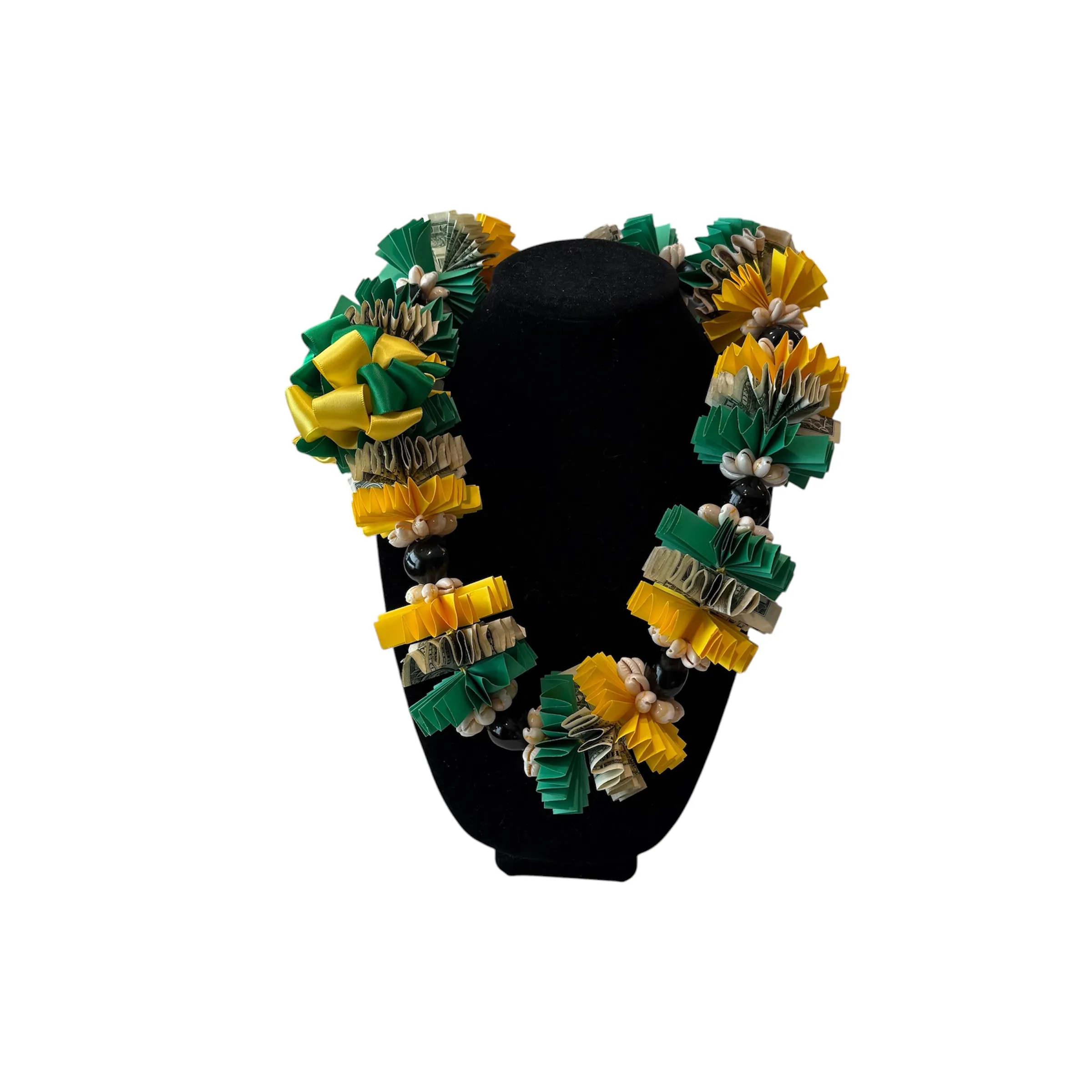
Save delicate details for last. Paper decor, flowers, and handmade items look their best when they have not been sitting in direct sun or a busy room for two days. A ribbon or paper lei can wait safely in its packaging until it is time for photos or a gift presentation.
Party day: protect the meaningful moments
Give yourself more setup time than seems necessary. Put out nonperishable snacks first, then chilled drinks and cold food close to guest arrival. Keep the graduate’s outfit, gifts, and special details away from a crowded food table. Before the first guests arrive, take one quick photo of the room. It captures all the care that often disappears once the party becomes wonderfully busy.
Let people arrive, eat, and reconnect before forcing a schedule. When the group is ready, take the important family photos, offer a short toast if that fits, and make room for the gift moment. A lei, card, or handmade money gift can become part of that pause, rather than another item lost in the rush. The right graduation lei gives the graduate something festive to wear and remember after the cake is gone.
Keep the party centered on the person, not the plan. If photos run late or the food table gets messy, nobody will remember that part. They will remember who showed up, what they said, and how the graduate looked when they realized the room was there for them.
After the party: save the details that matter
Before cleanup gets underway, gather cards, gift notes, and leftover printed photos. Take a few pictures of the graduate with close family members if the formal photos were rushed. Make a simple list of gifts while the memory is fresh, so thank-you notes do not become a puzzle later.
Thank-you notes can be short, warm, and specific. Mention the gift, the person’s presence, or a small moment from the party. If the graduate needs a starting point, these graduation thank-you card messages make it easier to find words that still feel personal.
How AlohaKitashima helps make the day personal
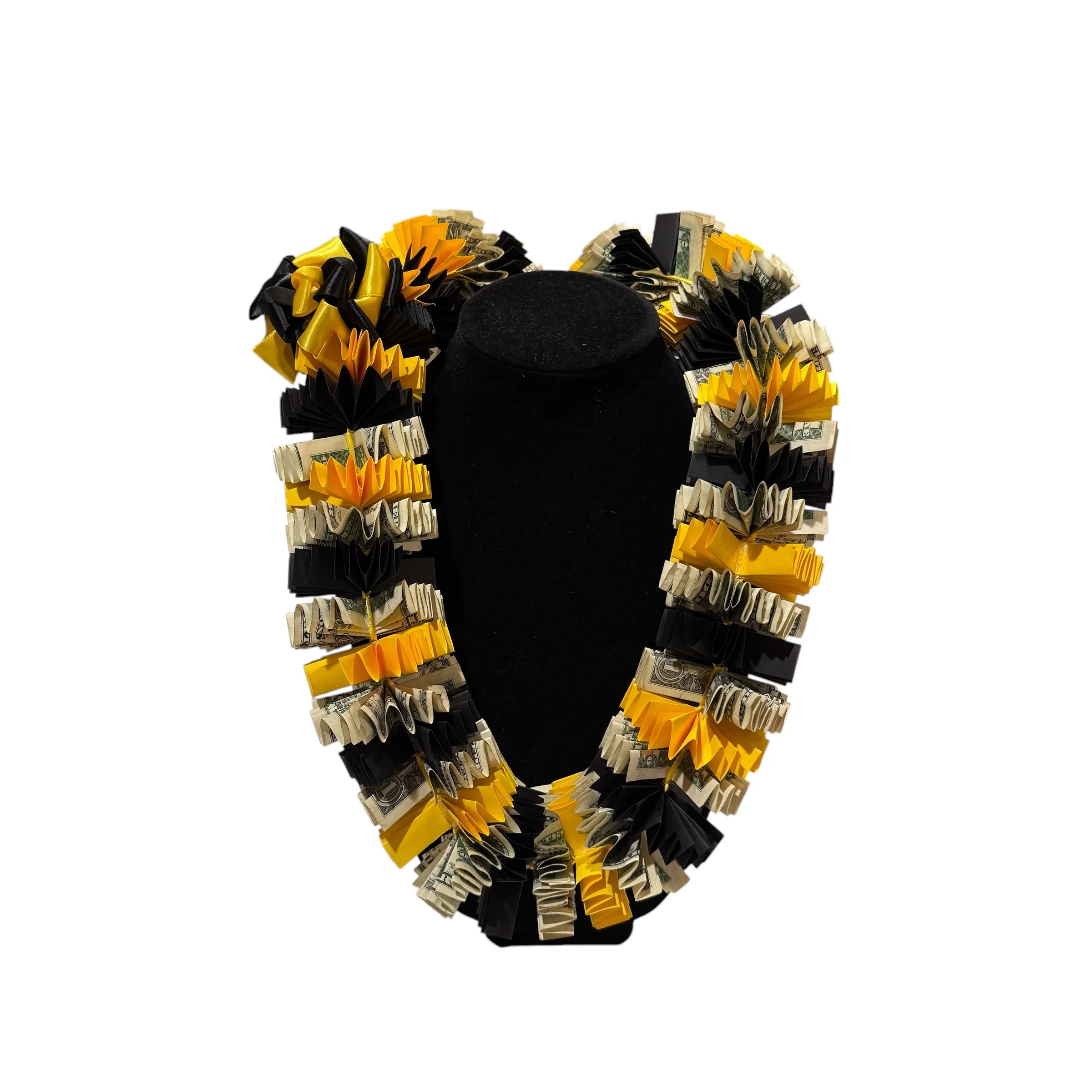
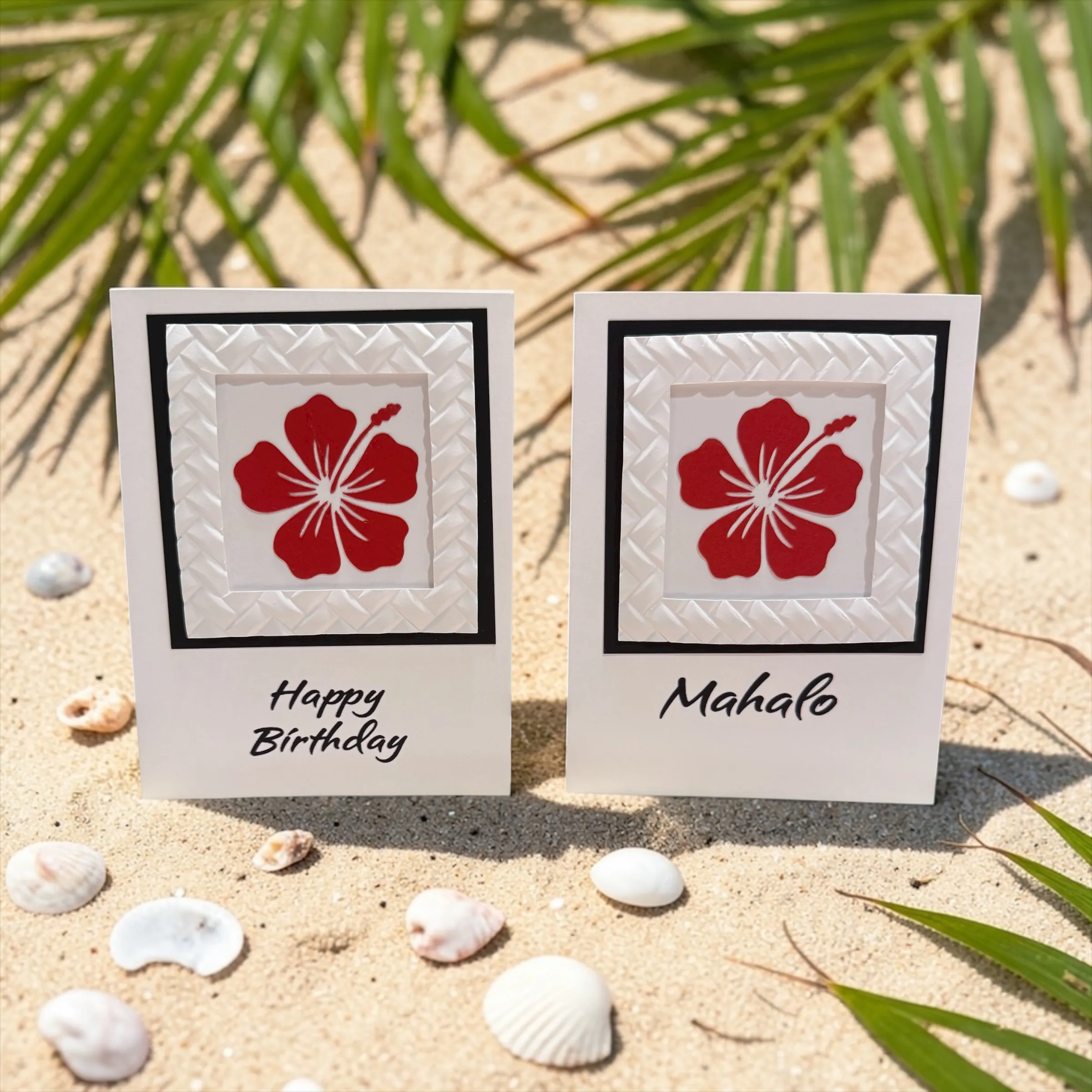
AlohaKitashima makes handmade celebration details for the moments that should not feel off-the-shelf. A colorful ribbon or paper lei can add a personal touch to photos, while a money lei can turn a practical cash gift into a memorable presentation. Browse graduation lei styles, find a useful idea for money gifts, or add a handmade card or gift bag to the table.
The checklist is only here to clear the way. The real goal is simple: give the graduate a celebration that feels like their achievement, their people, and a little aloha.
Frequently asked questions
How far in advance should you plan a graduation party?
Six weeks is a comfortable runway for a home party or open house. Start earlier if you need a popular venue, rentals, travel plans, or custom items. If the celebration is smaller, use the same checklist in a shorter window and prioritize the date, guest list, food, and one personal detail.
What should be on a graduation party checklist?
Include the date, budget, guest list, invitations, food, drinks, seating, weather plan, photos, gifts, decorations, and a simple day-of plan. The point is not to create more work. It is to settle the decisions that affect each other before the final few days become busy.
What do you need for a graduation party at home?
Most home celebrations need enough seating, shade or a weather backup, serving supplies, ice, trash bags, clear paths, and a place for cards and gifts. Add music, a photo area, and a small display of the graduate’s story only after the practical basics are covered.
When should graduation party invitations go out?
Send invitations about four to six weeks before the party when possible, especially during a crowded graduation season. Include the time, address, RSVP details, parking information, and whether the event is a drop-in open house or a set gathering.